How Bike Safety Tech Is Improving Rider Protection
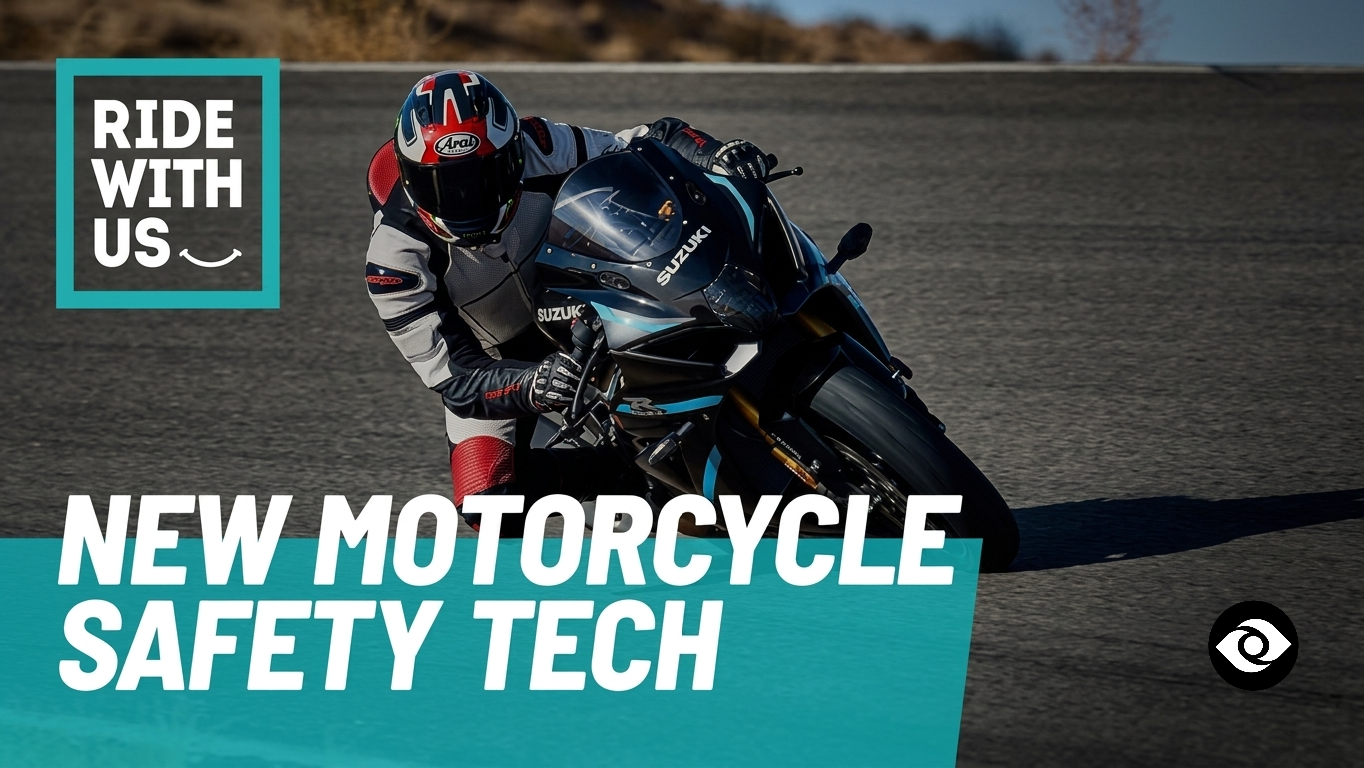
How Bike Safety Tech Is Improving Rider Protection (And Why It Matters Now)
Bike safety technology has moved far beyond brighter lights and thicker helmets. In 2026, sensors, AI, vehicle-to-everything (V2X) communication, and smart wearables are turning bikes into connected, predictive safety systems that help riders see hazards earlier, react faster, and avoid crashes altogether.
• More cyclists sharing roads with heavier, faster vehicles
• Advances in low-cost sensors, cameras, and edge AI
• Growth of e-bikes and cargo bikes, changing speed and mass dynamics
• Pressure from riders, cities, and brands for measurable safety improvements
The Big Safety Tech Trends Protecting Riders Today
360° Sensing and On‑Bike AI
New prototypes and concept bikes use radar, optical cameras, and motion sensors to build a real-time picture of the environment.
Example: Canyon’s Predict prototype integrates:
• Radar and cameras to track traffic and road hazards
• A multi-dimensional motion sensor in the wheel hub to monitor stability and surface conditions
• Edge AI that processes everything on the bike (no cloud lag)
Instead of just beeping when a car is close, the system can:
• Suggest safer cornering speeds
• Warn about tricky road surfaces
• Provide context-aware alerts via lights, vibrations, and a handlebar display
This turns the bike into a “co-pilot” that constantly scans for risk.
Smart Helmets and Wearable Tech
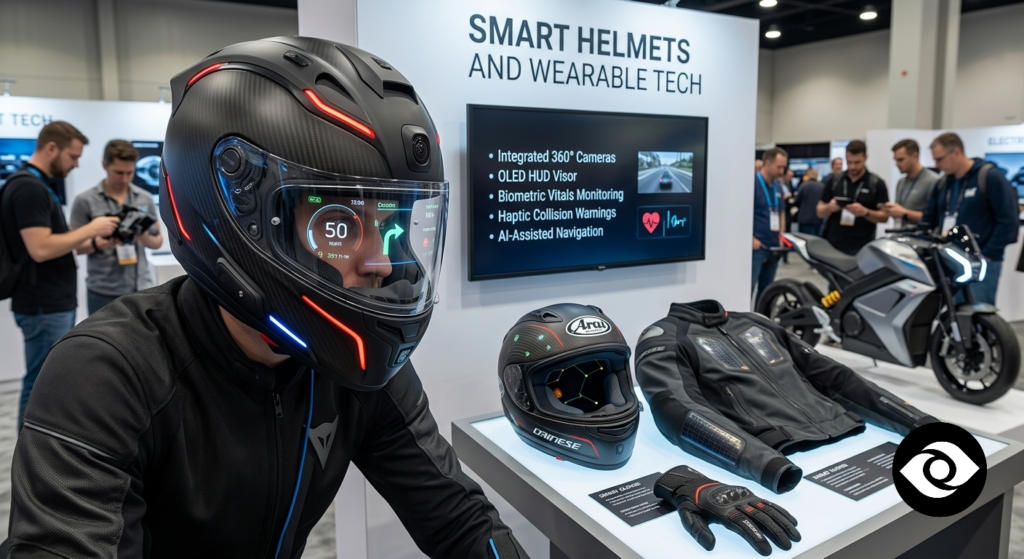
Helmets are becoming connected safety hubs, not just passive protection.
Innovations include:
• MIPS and similar systems that reduce rotational forces in crashes
• Integrated LEDs and brake lights that activate with deceleration
• Heads-up displays (HUDs) in visors showing speed, navigation, and hazard alerts
• Helmet-to-bike connectivity for synchronized warnings
Canyon’s Stingr Smart helmet concept pairs with the Predict bike:
• Drop-down visor with HUD
• Receives hazard data from the bike’s sensors
• Displays critical info without forcing the rider to look down
Other wearables (vests, armbands, clip-on devices) now offer:
• Radar-based rear alerts
• Turn-signal integration
• Crash detection and emergency contact features
Vehicle-to-Everything (V2X) Communication
One of the most promising frontiers is V2X: bikes “talking” to cars, infrastructure, and other road users.
How it helps:
• Cars receive alerts when a cyclist is in a blind spot or approaching an intersection
• Traffic lights and road signs can prioritize or warn about vulnerable road users
• Group rides can share hazard data in real time (“swarm intelligence”)
Early concepts already show:
• E-urban bikes that broadcast their presence to nearby vehicles
• Systems that alert drivers even if the cyclist isn’t directly visible
As more vehicles gain connectivity, this could dramatically reduce “right-hook” and intersection crashes—some of the most dangerous for cyclists.
Advanced Braking, Stability, and Active Safety
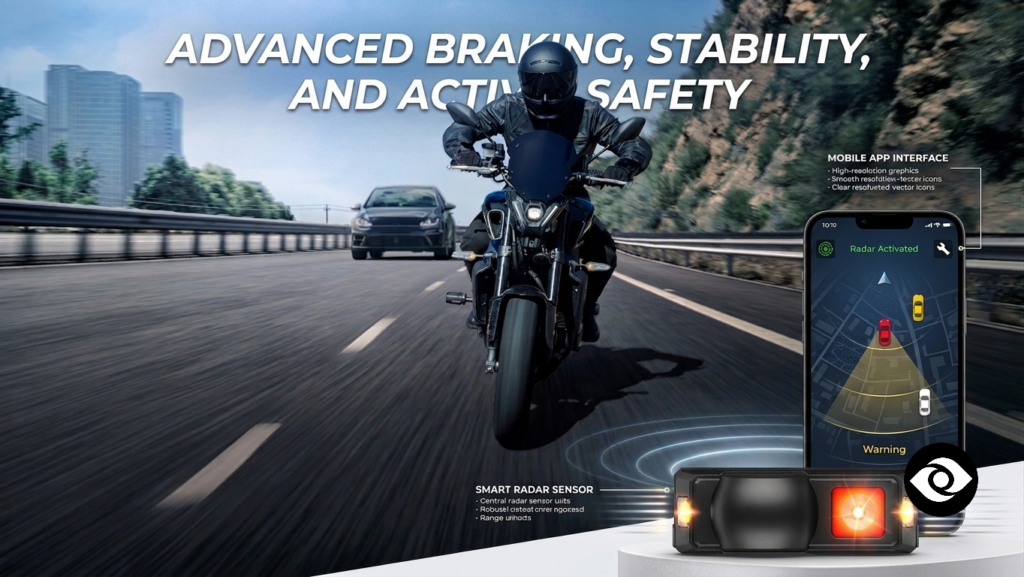
Motorcycle-style safety tech is trickling into high-end bikes and e-bikes:
• ABS and traction control on e-bikes to prevent wheel lock-up and skids
• Stability systems that detect loss of grip and adjust power delivery
• Electronic dropper seatposts that lower the center of gravity in critical moments
Canyon’s Predict prototype, for example, can:
• Automatically drop the seatpost when a high-risk situation is detected
• Lower the rider’s center of gravity to improve control before impact
While still emerging on bicycles, these “active” systems mirror what’s already standard on many motorbikes and cars.
Data, Apps, and Community Safety Networks
Safety isn’t just hardware. Apps and platforms now:
• Map high-risk streets and intersections using crash and near-miss data
• Share live hazard alerts (potholes, glass, aggressive drivers) between riders
• Integrate with city planning tools to push for safer infrastructure
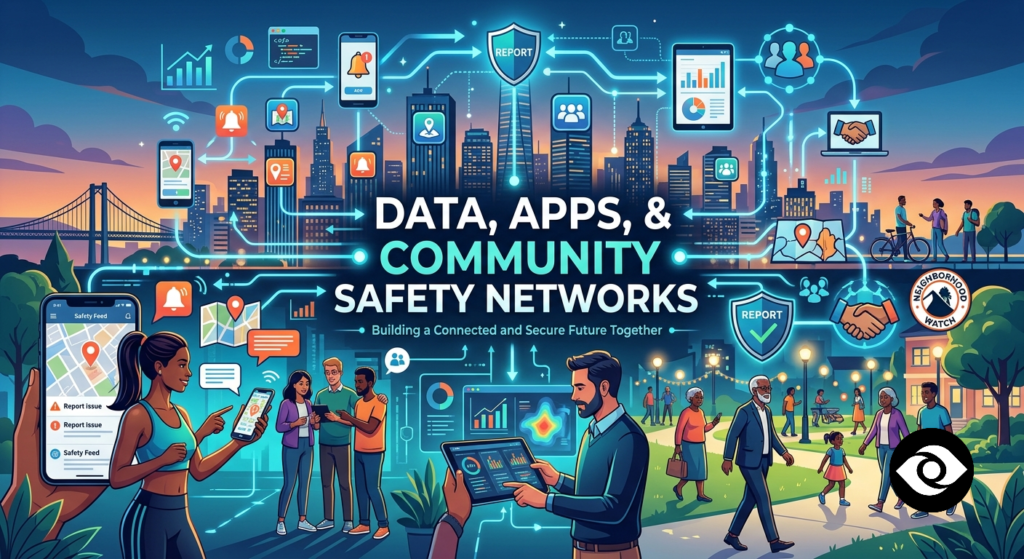
Combined with connected bikes and wearables, this creates a network effect: every rider’s experience makes the system smarter for everyone.
Real-World Impact: What This Means for Riders
These technologies target the most common and severe crash scenarios:
• Rear-end collisions and close passes from cars
• Intersection conflicts and blind-spot incidents
• Loss of control on poor surfaces or during hard braking
By giving earlier, clearer warnings and sometimes intervening automatically, safety tech can:
• Reduce reaction time from seconds to milliseconds
• Help riders choose safer lines and speeds in real time
• Make cycling feel safer, encouraging more people to ride
For commuters, this means more confidence in traffic. For sport riders, it means more margin for error on open roads. For cities, it’s a powerful tool to meet Vision Zero and road-safety goals.
Practical Tips: How to Use Today’s Safety Tech
You don’t need a prototype bike to benefit. Here’s how to upgrade your safety now:
Gear upgrades with real impact
• Rear radar light (e.g., Garmin Varia-style devices) to detect approaching vehicles
• Smart helmet with integrated lights, brake detection, and MIPS or equivalent
• High-visibility wearable tech (vests, bands) with turn signals and auto-brightness
Setup and habits
• Pair devices so alerts are consistent (e.g., helmet + light + phone app)
• Use apps that highlight high-risk routes and recent hazards
• Practice interpreting alerts so you react calmly, not panic
For e-bike and cargo-bike riders
• Prioritize models with ABS/traction control if available
• Use lights and reflectors designed for larger, slower-moving vehicles
• Consider additional side and rear visibility for wider profiles
What’s Next: The Future of Bike Safety
Expect to see:
• More production bikes with integrated sensors and AI, not just prototypes
• Wider V2X adoption as cars and infrastructure become more connected
• Smarter helmets and wearables that fuse navigation, fitness, and safety in one device
• City-level dashboards using cyclist data to redesign dangerous junctions and streets
The vision is clear: bikes that don’t just protect you in a crash, but actively help you avoid it.