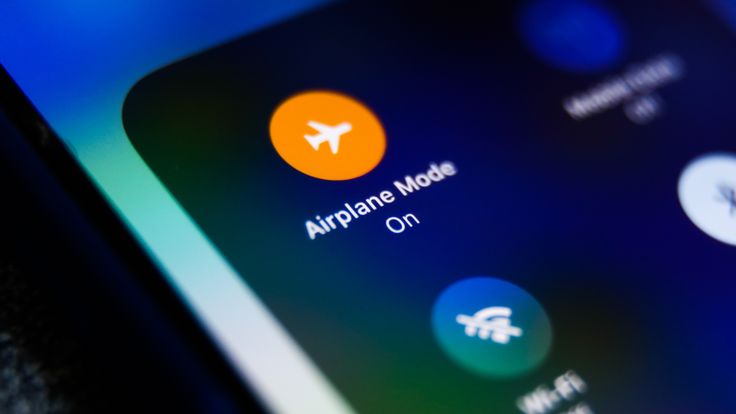
Smartphone radiation: Experts say airplane mode does reduce a phone’s radio-frequency (RF) emissions significantly, but it does not completely stop all forms of radiation.
Smartphone radiation: Does airplane mode actually stop radiation? Millions of smartphone users in India and around the world ask this question every year, especially during flights, bedtime, or long hours of phone use. In 2026, concerns about mobile phone radiation continue to trend online as users look for simple ways to reduce exposure.
Experts say airplane mode does reduce a phone’s radio-frequency (RF) emissions significantly, but it does not completely stop all forms of radiation.
Most confusion comes from the word “radiation,” which often sounds more alarming than it actuallyWhat airplane mode really does to your smartphoneWhen you turn on airplane mode, your phone switches off its wireless transmitters.
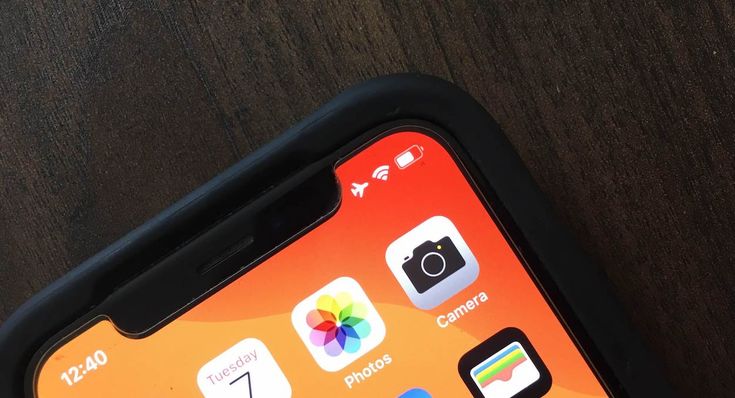
That means mobile signals, Wi-Fi, Bluetooth, and mobile data are usually disabled unless you manually turn some of them back on.
These wireless connections are the main sources of radio-frequency radiation, a low-energy type of electromagnetic signal that phones use to connect with towers and networks.
According to the U.S. Federal Communications Commission (FCC), phones emit much lower RF signals when wireless communication is turned off. The World Health Organization (WHO) also says mobile phones expose users to RF fields, mainly while transmitting signals.
In simple terms, airplane mode sharply reduces the signal your phone sends out because it stops “talking” to nearby mobile towers.Also Read | That customer care agent you just chatted with on WhatsApp was probably AI – Here’s how to identify
Does airplane mode stop radiation completely?
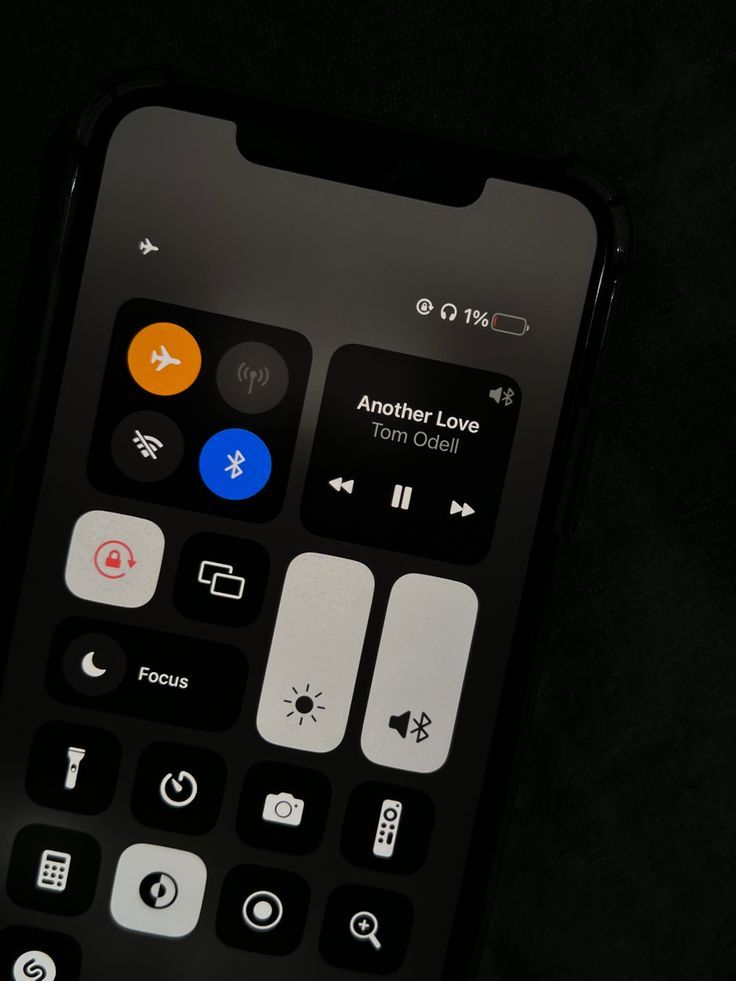
The short answer is no.Your phone still produces small amounts of non-wireless radiation because the screen, battery, and internal electronics continue to work. However, these are not the same RF signals linked to mobile networks.
Experts say the biggest drop happens in communication-based emissions. If Wi-Fi and Bluetooth also remain off, exposure falls much further. But if you switch Wi-Fi back on during a flight or at home, your phone resumes sending signals again.
That means airplane mode lowers radiation exposure substantially, but it does not turn your phone into a completely signal-free device.Why many people use airplane mode at night
Some users switch on airplane mode before sleeping to save battery life, reduce notifications, or limit distractions. Others do it to reduce RF exposure, especially if the phone stays close to the bed.
Battery experts also note that poor signal areas make phones work harder to connect to towers, which can drain power faster. In those cases, airplane mode may even help extend battery life.